Introduction
Bringing home a puppy is exciting, but it also comes with new responsibilities. Young dogs are naturally curious, energetic, and eager to explore their surroundings. During the first few months of life, they learn important behaviors that shape how they interact with people, other animals, and the world around them. The growing interest in Valplekar reflects a training approach that focuses on healthy puppy development through structured play, positive interaction, and consistent routines.
Many new dog owners search for simple ways to reduce common puppy problems such as biting, chewing, excessive energy, and difficulty following basic commands. Traditional training methods often focus only on correcting unwanted behavior. Valplekar emphasizes something different by encouraging positive play experiences that teach puppies appropriate behavior while strengthening the bond between dogs and their owners.
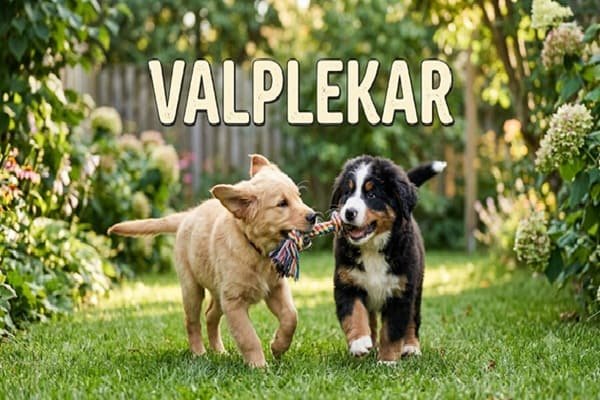
Play is much more than entertainment for puppies. Every game provides opportunities to build confidence, improve communication, develop social skills, and encourage healthy physical activity. Puppies learn quickly when activities remain enjoyable, predictable, and rewarding.
This guide explores everything about Valplekar, including its meaning, training philosophy, puppy development, structured play, socialization, common behavioral challenges, practical routines, and why positive interaction plays such an important role in raising well adjusted dogs.
What Is Valplekar?
Valplekar is generally described as a puppy focused training and play approach that encourages healthy behavior through structured interaction, positive reinforcement, and regular engagement.
Rather than relying primarily on punishment or correction, the approach emphasizes teaching puppies what they should do instead of focusing only on mistakes.
Positive experiences help build trust between dogs and their owners.
Structured play also supports emotional, physical, and mental development during important early learning stages.
Consistency remains one of the central principles behind this approach.
Why Early Puppy Development Matters
The first months of a puppy’s life influence future behavior significantly.
Young dogs learn rapidly through everyday experiences.
Positive interactions help build confidence.
Repeated routines encourage good habits.
Gentle guidance teaches puppies how to behave appropriately within family environments.
Early development affects social behavior, communication, emotional stability, and overall adaptability.
Providing supportive learning experiences during this stage creates strong foundations for lifelong behavior.
The Role of Play
Play serves many important purposes beyond simple entertainment.
Puppies explore their environment while learning coordination, communication, and self control.
Interactive games also strengthen relationships between dogs and owners.
Valplekar encourages structured play that combines fun with learning.
Every activity becomes an opportunity to reinforce positive behavior naturally.
Play based learning often feels less stressful than formal training sessions while remaining highly effective.
Regular interaction supports both physical health and emotional well being.
Building Trust Through Positive Interaction
Trust develops gradually through repeated positive experiences.
Puppies become more confident when owners communicate calmly and consistently.
Valplekar emphasizes encouragement instead of fear.
Rewarding desired behavior helps puppies understand expectations more clearly.
Positive interaction also reduces anxiety because dogs feel safe while learning.
Strong trust improves cooperation during both training and everyday life.
Healthy relationships create better communication throughout a dog’s lifetime.
Understanding Puppy Biting
Puppy biting represents one of the most common concerns for new owners.
Young dogs naturally explore objects using their mouths.
Teething also increases chewing behavior during early development.
Valplekar encourages redirecting biting toward appropriate toys rather than punishing natural curiosity.
Consistent guidance teaches puppies which behaviors are acceptable.
Patience remains essential because learning occurs gradually through repetition and positive reinforcement.
Understanding the reason behind biting improves training success.
Mental Stimulation
Puppies require more than physical exercise.
Mental challenges help prevent boredom while encouraging healthy cognitive development.
Simple games, puzzle toys, scent activities, and basic training exercises all stimulate curiosity.
Valplekar incorporates mental enrichment into regular routines.
Engaged puppies often display fewer unwanted behaviors because they receive appropriate opportunities to explore and learn.
Balanced development depends on both physical activity and mental engagement.
Socialization
Socialization introduces puppies to different people, animals, environments, sounds, and experiences.
Positive exposure during early development improves confidence throughout adulthood.
Valplekar supports gradual, carefully managed social experiences rather than overwhelming situations.
Calm introductions help puppies develop appropriate responses to unfamiliar environments.
Well socialized dogs often adapt more comfortably to changing situations later in life.
Positive early experiences reduce unnecessary fear while encouraging emotional stability.
Creating Daily Routines
Puppies learn effectively through predictable routines.
Regular feeding times, play sessions, bathroom breaks, training activities, and rest periods provide structure.
Valplekar encourages consistency because repetition strengthens learning.
Daily routines also reduce confusion by helping puppies understand expectations.
Organized schedules create stability while supporting healthy physical and emotional development.
Simple habits practiced consistently often produce the strongest long term results.
Positive Reinforcement
Reward based learning encourages puppies to repeat desired behaviors.
Praise, treats, toys, and play can all function as positive reinforcement.
Valplekar emphasizes rewarding success instead of focusing only on mistakes.
Positive feedback improves motivation while strengthening communication between owners and dogs.
Learning becomes enjoyable because puppies associate training with rewarding experiences.
Consistent reinforcement gradually transforms desired behaviors into reliable habits.
Common Training Challenges
Every puppy develops at its own pace.
Some learn quickly.
Others require additional patience and repetition.
Chewing, jumping, barking, accidents, and excessive excitement are normal parts of early development.
Valplekar encourages calm guidance throughout these challenges.
Owners who remain consistent usually experience gradual improvement over time.
Understanding realistic expectations reduces frustration while supporting more successful training experiences.
Why Owners Appreciate Valplekar
Many new dog owners seek practical approaches rather than complicated training systems.
Valplekar appeals because it focuses on everyday interactions instead of lengthy formal sessions.
Play becomes part of learning.
Routine activities reinforce good habits naturally.
Owners appreciate methods that strengthen relationships while improving behavior simultaneously.
Simple techniques often prove easier to maintain consistently within busy family life.
Positive communication benefits both dogs and their owners.
Supporting Healthy Emotional Development
A puppy’s emotional development is just as important as physical growth.
Confident dogs usually grow through positive experiences rather than fear based training.
Valplekar encourages calm guidance that helps puppies feel secure while exploring new situations.
Gentle encouragement builds confidence over time.
Emotionally balanced dogs often adapt more easily to unfamiliar environments, visitors, and everyday household activities.
Physical Exercise and Balanced Activity
Exercise helps puppies release energy in healthy ways.
Short walks, supervised play, gentle games, and age appropriate activities support physical development without causing unnecessary strain.
Valplekar promotes balanced exercise instead of excessive activity.
Young puppies still require adequate rest for healthy growth.
Combining active play with regular recovery periods helps maintain both physical health and emotional stability.
Balanced routines contribute to better overall behavior.
Strengthening Communication
Dogs communicate through body language, facial expressions, movement, and vocal sounds.
Owners who learn to recognize these signals often respond more effectively.
Valplekar encourages observation alongside training.
Understanding when a puppy feels excited, nervous, tired, or curious allows owners to adjust interactions accordingly.
Better communication reduces misunderstandings while strengthening trust throughout daily life.
Family Involvement
Consistent training becomes easier when every family member follows similar expectations.
Mixed messages can confuse young puppies during the learning process.
Valplekar encourages households to agree on routines, commands, rewards, and acceptable behaviors.
Consistency helps puppies understand what is expected regardless of who is interacting with them.
Shared participation also strengthens relationships between the puppy and the entire family.
Also Read : Marion Shalloe: Complete Biography, Career, Family, Marriage, and Life Beyond the Spotlight
Avoiding Common Training Mistakes
Many new owners unintentionally reinforce unwanted behavior.
Giving attention during jumping, inconsistent rules, or changing commands frequently can slow learning.
Valplekar emphasizes patience, consistency, and positive reinforcement instead of punishment.
Correcting behavior calmly while rewarding appropriate choices produces better long term results.
Understanding how puppies learn helps owners avoid unnecessary frustration during training.
Long Term Benefits
Training does not end after puppyhood.
Early habits influence behavior throughout adulthood.
Dogs that experience structured play, positive communication, and consistent routines often become more confident companions.
Valplekar supports lifelong learning by building strong foundations during the earliest stages of development.
Healthy habits established while young frequently remain part of everyday behavior for many years.
The Future of Positive Puppy Training
Dog training continues evolving as understanding of animal behavior improves.
Modern approaches increasingly focus on trust, communication, and positive reinforcement rather than punishment.
Valplekar reflects this shift toward relationship based learning.
Future training methods will likely continue emphasizing emotional well being alongside practical behavior development.
Owners benefit from approaches that create cooperation instead of fear.
Positive learning strengthens both behavior and companionship.
Why Valplekar Matters
Every puppy deserves opportunities to learn within a safe and supportive environment.
Valplekar highlights the importance of combining play, communication, routine, and positive reinforcement into everyday life.
Training becomes more effective when puppies enjoy the learning process.
Owners also develop stronger relationships because guidance is based on encouragement rather than correction alone.
Healthy development benefits both dogs and the families who care for them.
Final Thoughts
Valplekar represents a positive approach to puppy development that combines structured play, consistent routines, socialization, and reward based learning. Rather than focusing only on correcting unwanted behavior, it encourages owners to teach puppies through enjoyable experiences that strengthen trust and communication.
Early training plays an important role in shaping confidence, emotional stability, and lifelong behavior. Puppies that receive patient guidance, mental stimulation, appropriate exercise, and positive social experiences often grow into well adjusted adult dogs.
Every interaction offers an opportunity to teach, encourage, and build a stronger relationship. Small daily habits, practiced consistently, create meaningful long term improvements.
Valplekar reminds dog owners that successful training is not based on strict control but on understanding, consistency, and positive experiences that allow puppies to develop into confident and happy companions.