Introduction
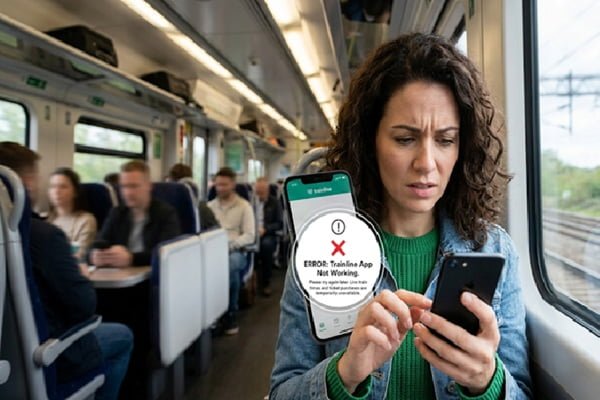
Travel plans often depend on mobile apps working smoothly. Whether you need to book a ticket, check train times, download an e-ticket, or manage an existing journey, even a small app problem can become frustrating when you’re preparing to travel. One of the most common searches from railway passengers is Trainline app not working, especially when the app suddenly stops opening, crashes during booking, fails to process payments, or refuses to display tickets.
Most app problems have simple causes. Temporary server outages, unstable internet connections, outdated app versions, device software issues, or corrupted app data can all affect performance. Fortunately, many of these problems can be solved without advanced technical knowledge.
Understanding why an app stops working is just as important as knowing how to fix it. Instead of trying random solutions, users benefit from following a logical troubleshooting process that identifies the actual cause of the issue.
This guide explains everything about Trainline app not working, including common problems, possible causes, troubleshooting steps, login issues, booking failures, payment errors, ticket access, device compatibility, and practical ways to keep the app running smoothly.
Why the Trainline App May Stop Working
Several different factors can affect how the app performs.
Sometimes the problem comes from the user’s device.
Other times, the issue originates from temporary server maintenance or network interruptions.
Understanding the difference helps users choose the correct solution rather than wasting time trying unnecessary fixes.
Most problems fall into one of a few common categories.
Poor Internet Connection
A weak internet connection remains one of the most common reasons mobile apps stop functioning correctly.
Booking tickets, loading schedules, processing payments, and downloading digital tickets all require stable internet access.
Switching between mobile data and Wi-Fi often helps identify whether the connection is causing the problem.
Testing other websites or apps can also confirm whether internet access is working normally.
Reliable connectivity remains essential throughout the booking process.
Temporary Server Problems
Sometimes the application itself works correctly while the company’s servers experience temporary issues.
During these periods, users may notice login failures, booking delays, loading problems, or unavailable services.
Server maintenance usually affects many users simultaneously.
Waiting a short period before trying again often resolves these temporary disruptions.
Most service interruptions are corrected as quickly as possible.
Outdated App Version
Mobile applications receive regular updates that improve performance, security, and compatibility.
Older versions may develop problems after system updates or platform improvements.
Installing the latest version often fixes unexpected bugs while improving overall stability.
Keeping apps updated also helps protect user accounts and payment information.
Regular updates remain one of the simplest ways to prevent technical issues.
Device Software Compatibility
Operating system updates occasionally affect how apps perform.
Older devices running outdated software may experience crashes or slower performance.
Updating the device operating system improves compatibility with newer application features.
Modern apps generally perform best when both the device software and application remain fully updated.
Compatibility supports smoother operation.
App Cache Problems
Applications store temporary files to improve loading speed.
Over time, these cached files may become corrupted.
Corrupted cache data sometimes causes freezing, crashing, slow performance, or loading errors.
Clearing the application’s cache removes outdated temporary files while allowing fresh data to load.
Many performance issues disappear after completing this simple maintenance step.
Login Problems
Some users experience difficulty signing into their accounts.
Incorrect passwords, forgotten login details, temporary server issues, or authentication problems may prevent successful access.
Checking account credentials carefully helps eliminate simple typing mistakes.
Password reset options remain available whenever login information cannot be remembered.
Stable internet access also supports successful authentication.
Booking Failures
Booking errors can occur for several reasons.
Network interruptions during payment, temporary server delays, unavailable tickets, or incomplete transaction processing may interrupt reservations.
Refreshing the booking process too quickly sometimes creates duplicate attempts.
Waiting for confirmation before repeating payment helps avoid unnecessary complications.
Careful review of booking confirmation remains important before assuming a reservation failed.
Payment Issues
Secure payment processing depends on several systems working together.
Bank authorization, internet connectivity, payment verification, and application stability all influence successful transactions.
Temporary banking delays occasionally interrupt payments even when sufficient funds remain available.
Checking bank notifications helps confirm whether payment has already been processed.
Duplicate payments should not be attempted until transaction status becomes clear.
Digital Ticket Problems
Many travelers depend entirely on mobile tickets.
Occasionally, downloaded tickets may fail to appear immediately after purchase.
Refreshing the account, reconnecting to the internet, or reopening the application often restores ticket visibility.
Downloading tickets before arriving at the station reduces unnecessary stress if network conditions later become weaker.
Keeping screenshots or confirmation emails available also provides additional reassurance.
App Crashes
Unexpected application crashes usually result from software conflicts, memory limitations, outdated versions, or temporary system errors.
Closing unused applications frees additional memory for smoother performance.
Restarting the device clears temporary system processes that may interfere with normal operation.
Simple device restarts solve many issues surprisingly quickly.
Notifications Not Working
Travel updates help passengers stay informed about delays, cancellations, platform changes, and schedule adjustments.
Disabled notification permissions may prevent important alerts from appearing.
Reviewing device notification settings ensures the application has permission to deliver travel updates.
Battery optimization settings sometimes restrict background notifications as well.
Proper configuration improves communication throughout every journey.
Why Regular Updates Matter
Developers continuously improve applications after identifying bugs and introducing new features.
Ignoring updates may increase the likelihood of performance problems over time.
Regular maintenance improves reliability while strengthening security protections.
Updated applications also remain compatible with the latest mobile operating systems.
Preventive maintenance often eliminates issues before they become noticeable.
Reinstalling the Application
If the app continues to experience problems after basic troubleshooting, reinstalling it may resolve deeper software issues.
Removing the application clears damaged files that may not disappear through normal updates.
Installing a fresh copy downloads the latest version along with clean application data.
Many users find that reinstalling restores normal performance after persistent errors.
Restarting Your Device
Restarting a smartphone remains one of the simplest and most effective troubleshooting steps.
Temporary system processes, memory conflicts, and background applications can occasionally interfere with app performance.
A complete restart refreshes the operating system and allows applications to launch in a cleaner environment.
Although simple, this solution often resolves unexpected problems quickly.
Checking Available Storage
Mobile devices need sufficient storage space to operate efficiently.
When storage becomes nearly full, applications may struggle to download updates, save files, or load properly.
Removing unnecessary files, unused applications, or duplicate photos creates additional space for smoother performance.
Adequate storage contributes to better stability across all mobile applications.
Also Read : Whatnot Explained: Complete Guide to Live Shopping, Buying, Selling, and Growing Your Business
Battery Optimization Settings
Many smartphones include battery-saving features that limit background activity.
While these settings extend battery life, they may also prevent travel apps from updating tickets or delivering important notifications.
Reviewing battery optimization settings helps ensure the application can operate normally when needed.
Balancing battery efficiency with app functionality improves the overall user experience.
Keeping Travel Information Accessible
Even when mobile apps work perfectly, preparing for unexpected situations remains a good habit.
Saving booking confirmation emails, downloading tickets before leaving home, and keeping journey details available offline can reduce stress if internet access becomes unavailable.
Preparation helps travelers continue their journey even if temporary technical problems occur.
Preventing Future App Problems
Most technical issues can be avoided through regular device maintenance.
Keeping the app updated, maintaining sufficient storage, using a stable internet connection, and updating the operating system all improve long-term reliability.
Restarting the device occasionally and clearing unnecessary temporary files also helps maintain consistent performance.
Small maintenance habits often prevent larger problems later.
When to Contact Customer Support
If troubleshooting does not solve the issue, contacting customer support may be necessary.
Providing clear information helps support teams investigate more efficiently.
Include details such as the device model, operating system version, app version, error messages, and the exact step where the problem occurred.
Accurate information usually leads to faster assistance.
Why Reliable Travel Apps Matter
Modern travelers depend heavily on mobile applications.
Booking tickets, checking schedules, managing reservations, receiving travel updates, and accessing digital tickets all happen through a single platform.
Reliable app performance improves convenience while reducing travel uncertainty.
Regular software improvements continue making these services more dependable for passengers.
Final Thoughts
Experiencing the Trainline app not working can be frustrating, especially when preparing for an important journey. Fortunately, most problems result from common issues such as weak internet connections, outdated app versions, temporary server interruptions, corrupted cache files, or device compatibility problems.
Following a step-by-step troubleshooting process usually resolves the majority of technical issues without requiring advanced technical knowledge. Checking internet connectivity, updating the application, restarting the device, clearing cached data, reinstalling the app when necessary, and maintaining sufficient storage all contribute to smoother performance.
Preparing for travel by downloading tickets in advance and keeping booking confirmations accessible also provides additional peace of mind. With proper maintenance and basic troubleshooting, users can minimize disruptions and enjoy a more reliable mobile ticketing experience.
1 thought on “Trainline App Not Working: Complete Guide to Fix Login, Booking, Payment, and Ticket Issues”