Introduction
Home decoration often feels most welcoming when it includes natural elements. Simple materials such as wood, stone, dried flowers, and decorative branches bring warmth into a room without making the space feel crowded. Many interior designers prefer these natural touches because they create a calm atmosphere while matching almost every decorating style.
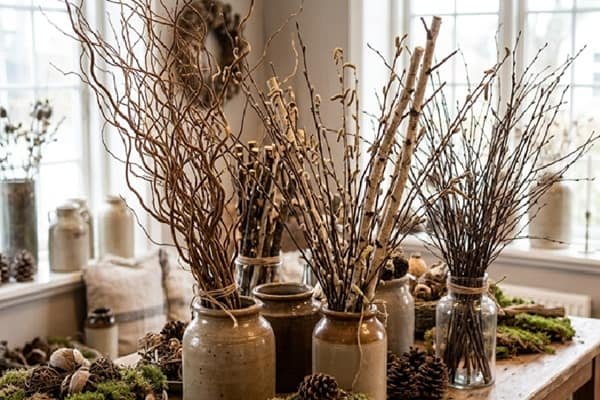
Pyntekvister has become an increasingly popular decorative element in Scandinavian-inspired interiors. The term generally refers to decorative branches that are arranged indoors to add texture, height, and natural beauty. Whether displayed in a tall ceramic vase, combined with seasonal decorations, or used as part of a minimalist living room, Pyntekvister offers a timeless way to decorate.
Unlike temporary trends that disappear after a season, decorative branches remain attractive throughout the year. They require very little maintenance and can easily be adapted to suit changing seasons, holidays, or personal preferences.
This guide explores everything you need to know about Pyntekvister, including its meaning, history, decorating ideas, benefits, styling techniques, maintenance, sustainability, and why it continues growing in popularity among homeowners and interior designers.
What Is Pyntekvister?
Pyntekvister is commonly associated with decorative branches used as indoor home décor.
Instead of relying on colorful artificial decorations, many Scandinavian homes embrace natural materials that provide elegance through simplicity.
Decorative branches may be collected from nature or purchased from home décor stores.
They are usually displayed inside glass, ceramic, clay, or wooden vases.
Some people leave the branches completely natural, while others decorate them with lights, ornaments, dried flowers, or seasonal accessories.
The result is a stylish decoration that feels organic and timeless.
The Philosophy Behind Pyntekvister
Scandinavian interior design has always emphasized simplicity, functionality, and nature.
Rather than filling every corner with decorative objects, the design philosophy focuses on choosing fewer items with greater visual impact.
Pyntekvister reflects this idea perfectly.
A single arrangement of carefully selected branches can become the centerpiece of an entire room.
Natural textures introduce warmth without overwhelming the space.
The decoration feels balanced, peaceful, and elegant.
Why Pyntekvister Is Becoming Popular
Several factors explain the growing interest in decorative branches.
Many homeowners prefer sustainable decorating ideas.
Natural materials create a relaxing atmosphere.
Minimalist interiors remain fashionable across different countries.
Decorative branches require little maintenance.
Seasonal updates can be made without replacing the entire arrangement.
Their versatility allows them to complement both traditional and modern interiors.
These qualities continue attracting people interested in long-lasting home décor.
The Connection Between Nature and Interior Design
Nature has always influenced interior decoration.
Wood furniture, stone finishes, indoor plants, woven baskets, and natural fabrics create homes that feel comfortable and welcoming.
Pyntekvister extends that connection by introducing organic shapes and textures.
Branches create visual movement while maintaining a simple appearance.
Every branch has a unique form, making each arrangement slightly different.
This natural variation adds personality to interior spaces.
Popular Types of Decorative Branches
Different branches create different visual effects.
Birch branches offer a clean and elegant appearance.
Willow branches create soft curves that add movement.
Cherry blossom branches introduce seasonal beauty.
Eucalyptus branches combine greenery with subtle fragrance.
Magnolia branches provide larger decorative shapes.
Dried branches deliver rustic charm throughout the year.
Choosing the right material depends on the overall decorating style.
Choosing the Perfect Vase
The vase plays an important role in the overall presentation.
Tall ceramic vases create a modern appearance.
Glass containers highlight the natural beauty of the branches.
Stone or concrete vases complement minimalist interiors.
Wooden containers add rustic warmth.
Neutral colors often allow the branches to become the main visual feature.
The correct vase creates balance between decoration and surrounding furniture.
Decorating Different Rooms
Pyntekvister works well throughout the home.
Living rooms benefit from tall branch arrangements placed beside sofas or near windows.
Dining tables become more inviting with smaller centerpieces.
Bedrooms feel calmer when decorated with simple natural branches.
Entryways create strong first impressions through elegant vase arrangements.
Home offices also benefit because natural elements often make workspaces feel more relaxing.
Seasonal Decorating Ideas
One of the biggest advantages of decorative branches is flexibility.
Spring arrangements may include blossoms.
Summer decorations often remain simple and fresh.
Autumn introduces dried leaves and warm natural colors.
Winter decorations frequently include lights or subtle ornaments.
Instead of replacing decorations every season, homeowners simply update the accessories attached to the branches.
This makes Pyntekvister both practical and economical.
Benefits of Using Pyntekvister
Decorative branches provide several advantages.
They require very little maintenance.
Natural materials support sustainable decorating.
Minimalist designs remain attractive for years.
Seasonal updates become simple.
Decorative arrangements suit homes of different sizes.
The natural appearance creates a peaceful atmosphere.
These benefits explain why Pyntekvister continues attracting homeowners around the world.
Styling Tips for Different Interior Themes
One of the reasons Pyntekvister remains popular is its flexibility. Decorative branches blend naturally with many interior design styles without requiring major changes to the room.
Modern homes often use clean white vases with simple branches to create an elegant focal point. Scandinavian interiors pair decorative branches with light wood furniture, neutral colors, and natural fabrics.
Rustic homes combine branches with woven baskets, stone accessories, and vintage furniture. Industrial interiors create contrast by placing natural branches inside black metal or concrete vases.
The same arrangement can look completely different depending on the surrounding décor.
Creating a Balanced Arrangement
A beautiful arrangement depends on balance rather than quantity.
Choosing too many branches can make a vase appear crowded.
Using only a few carefully selected branches creates a cleaner and more sophisticated appearance.
Different branch heights add visual interest.
Natural curves make the arrangement feel organic instead of artificial.
Turning the vase slightly after placing each branch often improves the final presentation.
Small adjustments usually create the most attractive results.
Combining Pyntekvister With Other Decorations
Decorative branches work well with many complementary materials.
Dried flowers add softness.
Green foliage introduces fresh color.
Small decorative lights create a warm evening atmosphere.
Handmade ornaments personalize seasonal displays.
Ceramic figures and candles complete minimalist arrangements without distracting from the natural branches.
Combining natural textures carefully produces a balanced and welcoming interior.
Also Read : Geekzilla Tio Geek: Complete Guide to Technology, Gaming, Geek Culture, and Digital Entertainment
Sustainability and Eco Friendly Living
Sustainability has become an important part of modern interior design.
Many homeowners prefer decorations that can be reused for years instead of replaced every season.
Pyntekvister supports environmentally conscious decorating because branches often come from natural pruning or responsibly collected materials.
Long lasting decorative arrangements reduce unnecessary waste.
Natural materials also require fewer manufactured products.
Simple decorating choices contribute to more sustainable living.
Caring for Decorative Branches
Maintenance requirements remain very low.
Dust can be removed using a soft cloth or gentle brush.
Artificial decorative branches may occasionally be cleaned with a slightly damp cloth.
Natural branches should remain dry to prevent unwanted mold.
Direct sunlight may gradually fade some decorative materials over time.
Occasional rearrangement helps maintain a fresh appearance without purchasing new decorations.
Proper care allows arrangements to remain attractive for many years.
Common Decorating Mistakes
Many people accidentally overcrowd decorative arrangements.
Adding too many ornaments reduces the natural beauty of the branches.
Choosing a vase that is too small often creates an unstable appearance.
Bright colors sometimes overpower minimalist interiors.
Ignoring room proportions may also reduce visual balance.
Keeping the design simple usually produces the most elegant result.
Careful placement allows decorative branches to become a natural focal point.
Why Simplicity Never Goes Out of Style
Interior design trends continue changing every year.
Minimalism, however, remains popular because it creates calm and comfortable living spaces.
Pyntekvister reflects this timeless approach.
Natural branches introduce beauty without unnecessary decoration.
Simple materials often have greater visual impact than complicated displays.
Homes decorated with balance and restraint usually feel more inviting.
Natural elegance continues attracting homeowners across different cultures.
Benefits for Small Homes
Decorative branches work particularly well in smaller spaces.
Unlike large furniture pieces, they occupy very little floor space while adding vertical interest.
A single vase can transform an empty corner.
Natural decorations create warmth without making rooms appear crowded.
Light colored branches also complement compact interiors by maintaining an open appearance.
Simple arrangements maximize visual impact while minimizing clutter.
Why Interior Designers Recommend Pyntekvister
Professional designers frequently recommend natural decorative elements because they remain versatile throughout the year.
Branches adapt easily to changing seasons.
Neutral designs complement different furniture styles.
Natural textures soften modern interiors.
Decorative arrangements provide height without overwhelming surrounding décor.
Long lasting materials reduce replacement costs.
These practical advantages explain why decorative branches remain a favorite styling element.
Is Pyntekvister Suitable for Every Home?
Yes. One of its greatest strengths is versatility.
Apartments, family homes, offices, cafés, and commercial spaces can all benefit from decorative branch arrangements.
Traditional interiors gain natural warmth.
Modern homes achieve elegant simplicity.
Minimalist spaces feel complete without becoming crowded.
Different branch varieties allow homeowners to personalize arrangements according to their own style.
Future Trends
Interest in sustainable home decoration continues growing.
Natural materials are expected to remain an important part of future interior design.
Decorative branches may increasingly appear alongside smart lighting, handcrafted ceramics, recycled materials, and eco friendly furniture.
More homeowners are choosing timeless decorations instead of short lived trends.
Pyntekvister fits naturally within this movement because it combines sustainability, simplicity, and lasting visual appeal.
Its popularity is likely to continue increasing.
Final Verdict
Pyntekvister represents much more than decorative branches. It reflects a design philosophy centered on simplicity, balance, sustainability, and a close connection with nature.
Its ability to complement different decorating styles, adapt to changing seasons, and require minimal maintenance makes it one of the most practical natural decorations available.
Whether placed in a living room, dining area, bedroom, hallway, or workspace, decorative branches create an atmosphere that feels calm, elegant, and welcoming.
Homeowners looking for timeless interior decoration will likely appreciate the beauty and versatility that Pyntekvister brings to everyday living spaces.
Frequently Asked Questions
What is Pyntekvister?
Pyntekvister refers to decorative branches used as natural home décor, especially within Scandinavian inspired interior design.
Why is Pyntekvister popular?
Its natural appearance, low maintenance, sustainability, and ability to complement many decorating styles have made it increasingly popular.
Which rooms are best for decorative branches?
Living rooms, dining rooms, bedrooms, entryways, home offices, and commercial spaces all work well with decorative branch arrangements.
Can decorative branches be used throughout the year?
Yes. Seasonal decorations can be added or removed without replacing the branches, making them suitable for every season.
Are decorative branches environmentally friendly?
Yes. When sourced responsibly or reused over time, decorative branches provide a sustainable alternative to many disposable home decorations.