Introduction
Foenegriek has been part of traditional cooking and natural wellness practices for centuries. Many people recognize it as a flavorful spice, while others value it for its long history in herbal traditions. Although the herb has become increasingly popular, many people still wonder what foenegriek actually is, how it should be used, and what benefits it may offer.
Learning about foenegriek helps separate facts from myths. While traditional practices have praised this herb for generations, understanding its nutritional value, culinary uses, and current scientific knowledge allows people to make informed choices. Like many natural ingredients, foenegriek works best when included as part of a balanced lifestyle rather than being viewed as a miracle solution.
This guide explains everything you need to know about foenegriek in simple language. From its history and nutritional profile to its uses in cooking, traditional wellness practices, and practical tips for everyday life, every important aspect is covered to help you understand this remarkable herb.
What Is Foenegriek?
Foenegriek is the Dutch name for fenugreek, a flowering plant scientifically known as Trigonella foenum graecum. It belongs to the legume family and has been cultivated for thousands of years across different parts of the world.
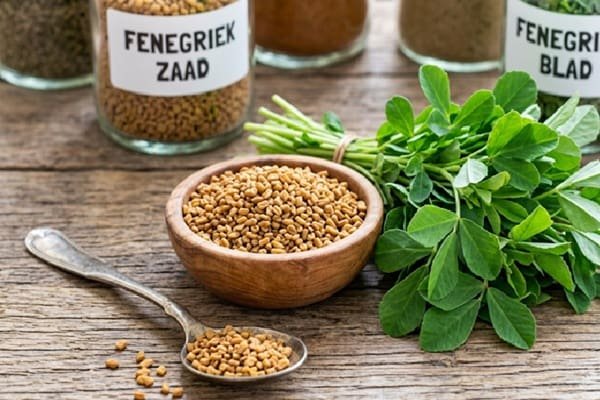
The plant produces small golden brown seeds with a distinctive aroma and slightly bitter taste. Besides the seeds, both fresh and dried leaves are widely used in cooking. Every part of the plant contributes something unique, making it valuable in kitchens as well as traditional herbal practices.
People appreciate foenegriek because it combines flavor with nutrition. It adds depth to recipes while providing naturally occurring nutrients and plant compounds.
History and Origin of Foenegriek
Foenegriek has a rich history that stretches back to ancient civilizations. Historical records show that it was cultivated in regions across Asia, the Middle East, North Africa, and parts of Europe. Farmers valued the plant because it was relatively easy to grow and adapted well to different climates.
Traditional cultures used foenegriek for cooking, food preservation, and herbal preparations. Families often passed recipes and herbal knowledge from one generation to another, helping the plant remain an important part of local traditions.
As trade routes expanded, foenegriek reached many new regions. Different cultures adapted it according to local tastes, creating unique dishes that continue to be enjoyed today.
Modern agriculture now grows foenegriek in many countries, making it widely available in grocery stores, spice markets, and health food shops.
Nutritional Value of Foenegriek
One reason foenegriek remains popular is its impressive nutritional composition.
The seeds naturally contain dietary fiber, plant protein, iron, magnesium, potassium, manganese, phosphorus, and several B vitamins. These nutrients contribute to a balanced diet when consumed as part of varied meals.
Foenegriek also contains naturally occurring antioxidants and plant compounds that continue to attract scientific interest. Researchers study these compounds to better understand their possible role in supporting overall health.
Dietary fiber is one of the most valuable components found in foenegriek. Fiber supports normal digestion and contributes to feelings of fullness after meals.
Although foenegriek provides useful nutrients, it should complement a healthy eating pattern rather than replace other nutritious foods.
Different Forms of Foenegriek
Foenegriek is available in several forms, making it easy to include in different recipes and daily routines.
Whole seeds are commonly used in curries, soups, lentil dishes, and spice blends. Their strong flavor develops further when lightly roasted before cooking.
Ground foenegriek powder mixes easily into sauces, breads, vegetable dishes, and homemade spice mixtures. Many people prefer powder because it blends smoothly into recipes.
Fresh leaves provide a mild herbal flavor and are often cooked with vegetables, potatoes, and legumes.
Dried leaves are popular as a seasoning. They release a pleasant aroma that enhances many traditional dishes.
Foenegriek tea is another common preparation. Some people soak or gently boil the seeds before drinking the strained liquid.
Dietary supplements containing foenegriek are also available. Anyone considering supplements should consult a healthcare professional, especially if they have existing medical conditions or take prescription medications.
Traditional Uses of Foenegriek
For generations, foenegriek has held an important place in traditional wellness systems.
Many cultures prepared foenegriek tea after meals to support comfortable digestion.
Traditional herbal practices also associated the plant with maintaining general health during seasonal changes.
Some communities believed foenegriek helped restore energy after physical work or illness.
Women in several cultures traditionally used foenegriek during specific stages of life, although modern medical guidance should always take priority over historical practices.
Traditional use reflects cultural knowledge developed over many centuries. However, historical use alone does not confirm medical effectiveness, and modern scientific research continues investigating many of these traditional claims.
Potential Health Benefits of Foenegriek
Researchers continue studying foenegriek because of its nutritional profile and naturally occurring plant compounds.
One of the most widely discussed areas involves digestive health. The fiber present in foenegriek supports normal digestion as part of a balanced diet and may help maintain regular bowel movements.
Scientists have also investigated its possible role in supporting healthy blood sugar levels. Some studies suggest that certain compounds in foenegriek may influence how the body processes carbohydrates. More research is needed before drawing firm conclusions, and it should never replace professional medical treatment.
Heart health is another area receiving attention. Researchers continue exploring whether foenegriek may contribute to maintaining healthy cholesterol levels alongside healthy eating habits and regular physical activity.
Appetite management has also become a subject of research. Because the seeds contain soluble fiber, they may promote feelings of fullness, helping some people manage food intake as part of an overall healthy lifestyle.
Antioxidants found naturally in foenegriek continue attracting scientific interest because they help protect plant cells from oxidative stress and contribute to the herb’s nutritional value.
Foenegriek in Everyday Cooking
Beyond its traditional uses, foenegriek is widely appreciated for its unique flavor.
Whole seeds add depth to curries, vegetable dishes, soups, lentils, beans, rice preparations, and pickles.
Ground powder blends easily into spice mixes, bread dough, marinades, and sauces.
Fresh leaves provide a mild herbal taste that pairs well with vegetables and legumes.
Dried leaves are often sprinkled over finished dishes to enhance both aroma and flavor.
Because the seeds have a naturally strong and slightly bitter taste, small quantities usually produce the best results.
Cooking also softens the bitterness, creating a richer and more balanced flavor profile.
How to Add Foenegriek to Your Daily Diet
Adding foenegriek to your meals does not require major dietary changes.
Many people begin by mixing a small amount of ground powder into soups or vegetable recipes.
Whole seeds can be soaked overnight before cooking to soften their texture and reduce bitterness.
Lightly roasting the seeds before grinding improves both aroma and flavor.
Foenegriek tea offers another simple option for those who prefer beverages over cooking.
Starting with small amounts allows your taste preferences to adjust gradually while making it easier to enjoy the herb as part of regular meals.
Rather than consuming large quantities, consistent moderate use within a balanced diet is generally the most practical approach.
Foenegriek for Hair Care
Foenegriek has been used in traditional hair care for many generations. The seeds are often soaked in water, ground into a smooth paste, and applied to the scalp and hair.
Many people believe this natural treatment helps improve the appearance of dry or damaged hair by providing moisture and making it feel softer. Others use it as part of a regular hair care routine to reduce dryness and improve manageability.
Homemade hair masks often combine foenegriek with ingredients such as yogurt, aloe vera, or coconut oil. These combinations are popular in traditional beauty practices because they are simple to prepare using common household ingredients.
Scientific evidence supporting these cosmetic uses remains limited, but many people continue to include foenegriek in their personal hair care routines because of long-standing traditional experience.
Foenegriek for Skin Care
Natural skin care recipes frequently include foenegriek because of its soothing texture and plant-based nutrients.
Ground seeds can be mixed with water or natural ingredients to create a face mask. Many people use these masks as part of their regular skincare routine to cleanse and refresh the skin.
Some traditional practices suggest that foenegriek may help maintain healthy-looking skin when combined with proper hydration, balanced nutrition, and regular skincare habits.
Healthy skin depends on many factors, including sleep, nutrition, hydration, sun protection, and overall lifestyle. Foenegriek should be viewed as one possible addition to a broader skincare routine rather than a standalone solution.
Foenegriek and Digestive Health
Digestive health is one of the areas most commonly associated with foenegriek.
The seeds contain soluble fiber, which supports normal digestion and contributes to regular bowel movements as part of a healthy diet.
Many traditional households prepare foenegriek tea after meals because they believe it promotes digestive comfort.
Fiber also slows digestion naturally, helping people feel satisfied for longer after eating.
Maintaining healthy digestion depends on several lifestyle habits, including adequate water intake, regular physical activity, and consuming a balanced diet rich in fruits, vegetables, and whole grains.
Foenegriek can complement these healthy habits but should not replace them.
Foenegriek and Blood Sugar Research
Researchers have shown growing interest in how foenegriek may influence blood sugar management.
Some studies suggest that certain naturally occurring compounds and fiber found in the seeds may help support normal glucose metabolism in some individuals.
These findings remain an active area of research, and results vary between studies.
People living with diabetes or other medical conditions should never replace prescribed treatment with herbal products.
Anyone considering regular use of foenegriek for blood sugar management should first consult a qualified healthcare professional.
Also Read : Fintechzoom.io Stock Market Course: Complete Guide for Beginners and Investors
Foenegriek and Heart Health
Heart health represents another area where foenegriek continues to receive scientific attention.
Researchers have investigated whether the fiber and plant compounds present in the seeds may support healthy cholesterol levels as part of a balanced lifestyle.
Healthy cholesterol management depends on several factors, including physical activity, maintaining a healthy weight, avoiding tobacco, and eating nutritious foods.
Foenegriek may complement these healthy habits, but it should not be considered a replacement for professional medical care or prescribed medications.
Possible Side Effects
Although foenegriek is generally consumed safely as a food ingredient, excessive intake may cause unwanted effects in some people.
Digestive discomfort such as bloating, mild stomach upset, or diarrhea may occur if large amounts are consumed.
Some individuals may experience allergic reactions, particularly if they already have allergies to other legumes such as peanuts or chickpeas.
The herb also has a naturally strong aroma that some people notice in sweat or urine after consuming larger quantities.
Starting with small amounts allows individuals to observe how their bodies respond before increasing intake.
Who Should Be Careful When Using Foenegriek?
Certain individuals should use additional caution.
Pregnant women should consult their healthcare provider before consuming medicinal amounts of foenegriek because high doses may not be appropriate during pregnancy.
People taking medications for diabetes or blood thinning should also seek medical advice before using supplements containing foenegriek.
Children should consume foenegriek only as part of normal food unless advised otherwise by a healthcare professional.
Individuals with known allergies to legumes should introduce foenegriek carefully and discontinue use if allergic symptoms appear.
Professional medical guidance is always the safest approach when combining herbal products with existing medical treatments.
How to Store Foenegriek
Proper storage helps preserve both flavor and quality.
Whole seeds should be kept in an airtight container away from direct sunlight, heat, and moisture.
Ground powder loses aroma more quickly, so storing it in a cool, dry place helps maintain freshness.
Dried leaves should also remain sealed to prevent moisture from reducing their flavor.
Buying reasonable quantities instead of storing large amounts for long periods usually provides the best culinary experience.
Frequently Asked Questions
What is foenegriek?
Foenegriek is the Dutch name for fenugreek, a plant whose seeds and leaves are widely used in cooking and traditional herbal practices.
Is foenegriek safe to eat?
Yes. Foenegriek is commonly consumed as a food ingredient. Large medicinal amounts or supplements should be discussed with a healthcare professional, especially for people with existing medical conditions.
What does foenegriek taste like?
The seeds have a slightly bitter, nutty flavor with a distinctive aroma. Roasting them before cooking often creates a milder taste.
Can foenegriek be used every day?
Small culinary amounts are commonly included in everyday meals. People considering larger amounts or supplements should seek professional medical advice.
Does foenegriek help with digestion?
The fiber naturally present in foenegriek supports normal digestion as part of a balanced diet. Traditional practices have also associated it with digestive comfort.
Can foenegriek replace medical treatment?
No. Foenegriek should never replace professional medical care or prescribed medications. It can be included as part of a healthy lifestyle but is not a substitute for medical treatment.
Final Thoughts
Foenegriek has remained an important herb for centuries because it combines culinary value with a long tradition of natural use. Its seeds and leaves add flavor to countless recipes while providing dietary fiber, minerals, and naturally occurring plant compounds.
Modern research continues exploring many of its traditional uses, particularly in areas such as digestion, blood sugar management, and heart health. Although early findings are encouraging in some areas, further scientific studies are still needed to fully understand its effects.
Using foenegriek as part of a balanced diet is a practical way to enjoy its nutritional value and distinctive flavor. Like any natural ingredient, it works best when combined with healthy eating habits, regular exercise, and professional medical guidance whenever necessary.
Understanding both its traditional background and current scientific knowledge allows people to make informed choices while appreciating one of the world’s most widely used herbs.